Massage Therapy For Your Wellness Goals

-
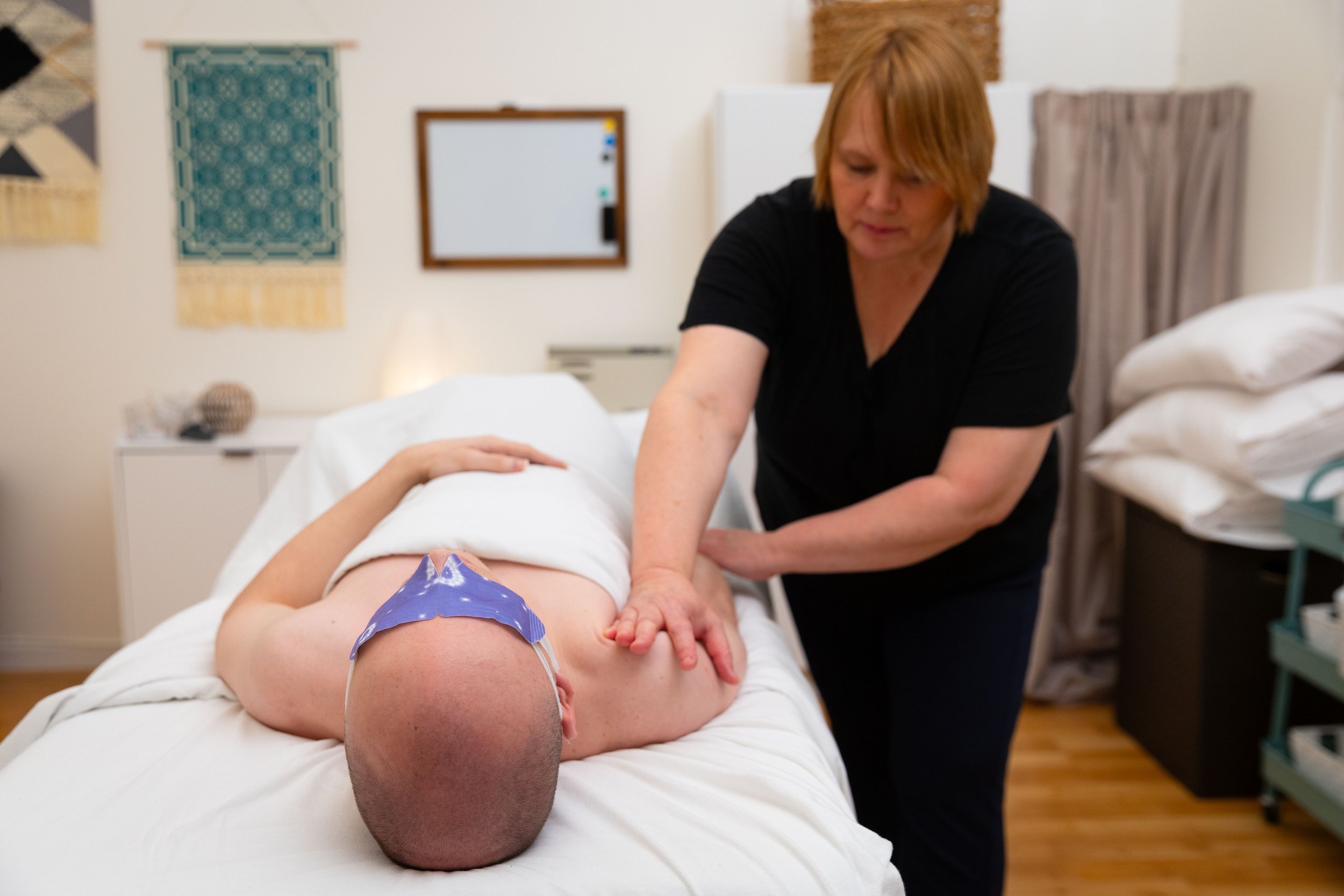
Traditional relaxing table massage.
Effleurage: Long, gentle strokes to help loosen muscle adhesions
Petrissage: Kneading, rolling, and squeezing to stretch and loosen muscles
Tapotement: Rhythmic tapping to stimulate blood flow
Friction: Pushing and compressing tissue to create heat, increase circulation, and loosen fascia
Vibration: Rapid shaking or quivering to help release muscle tension
-
Swedish massage techniques applied deeper into the muscle. Deep tissue must be applied at a level that is comfortable for the client.
-
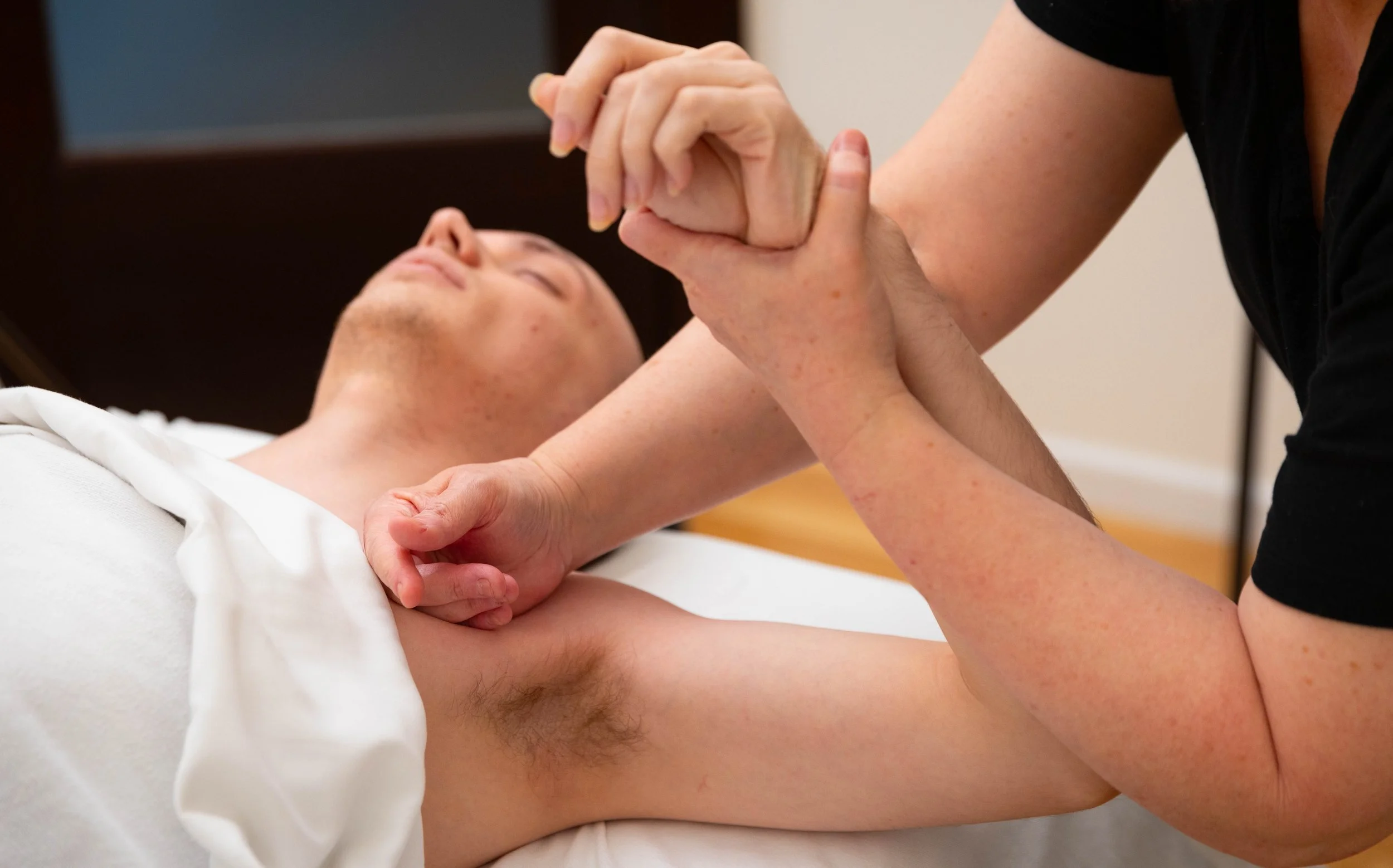
Swedish Massage techniques, Trigger Point Therapy, Scar Tissue Work, and isolated stretching is used to treat specific injuries or areas of disfunction. Treatment can be incorporated into most massage sessions, except prenatal massage.
-
We bill insurance for Personal Injury from MVA. We have extensive experience in whiplash and related auto accident injuries. Experience healing in a safe and welcoming environment with knowledgeable and commited therapists.
-
A stretch session is both an effective and relaxing treatment involving:
A clothed massage on a heated or unheated table. Active and passive assisted stretching is performed and directed by your therapist.
Trigger point therapy, pin and stretch, and treatment techniques can be included in your session.
Traditional Swedish techniques can be applied to hands, feet, neck, arms and legs.
-
Gua sha is an ancient Chinese medicine technique which involves scraping the skin with a smooth edge tool. Gua sha is used to improve circulation and lymphatic drainage, release muscle tension, and aid the body in healing.
-
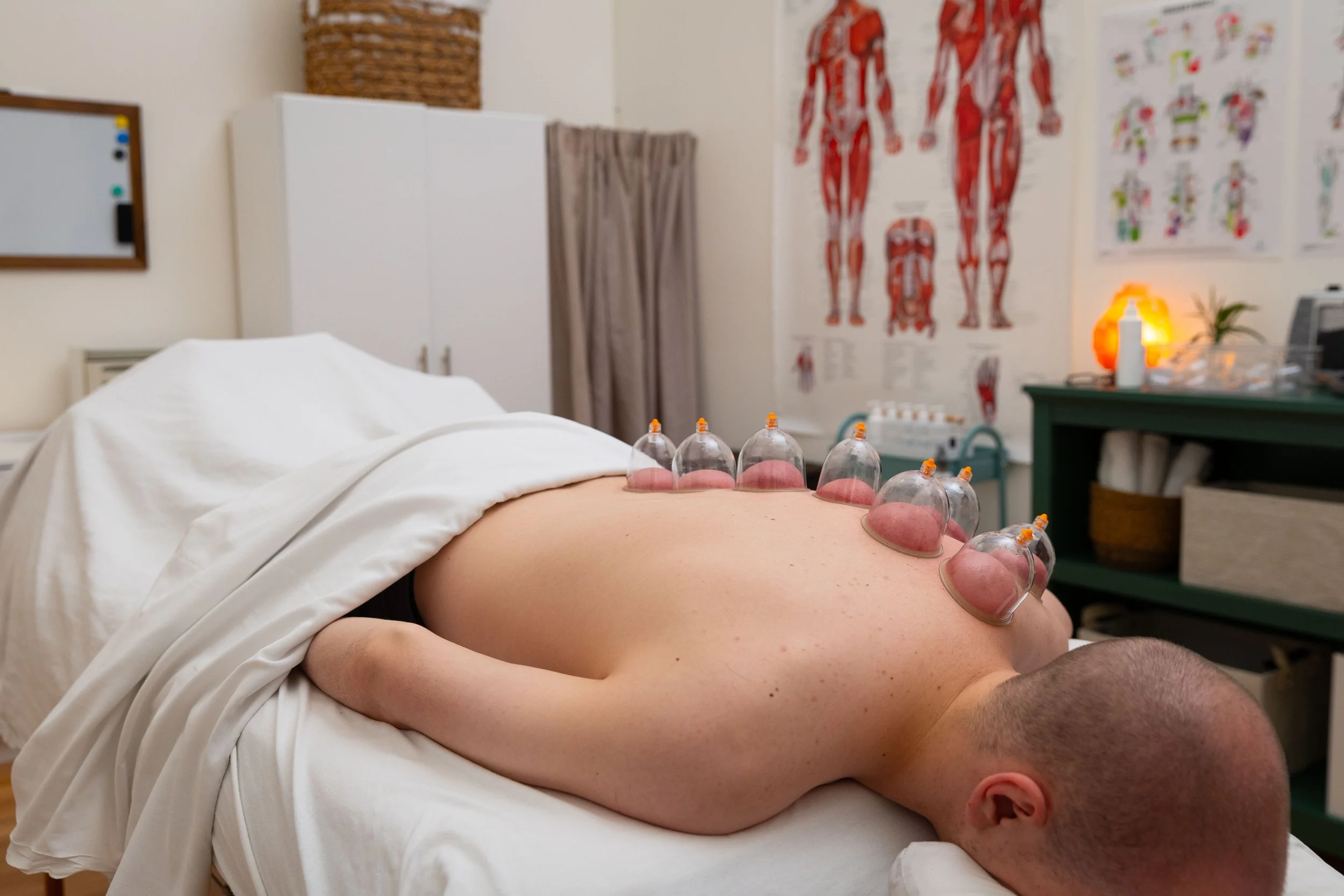
An ancient healing technique that uses suction cups to promote blood flow, release trigger points, release muscle adhesions, and reduce muscle tension.
-
A relaxing wellness massage performed by an experienced educated therapist. All cautions and contraindications are carefully considered for your safety and comfort.
-
Massage and stretch sessions, performed with consent from a parent or guardian, parent or guardian is also required to stay with client in the treatment room during their session.
-
Trigger Point Therapy
What it is: Trigger point therapy targets tight, hyperirritable spots in skeletal muscle known as trigger points. These points can produce local pain, referred pain (pain felt in a different area), stiffness, and reduced range of motion. Therapy uses focused pressure, release techniques, stretching, and sometimes adjunctive modalities to reduce pain,reduce tension, improve circulation, and deactivate trigger points.
Common signs and symptoms
Localized knots or bands of tight muscle
Referred pain patterns (for example, a trigger point in the shoulder blade causing neck or arm pain)
Muscle weakness or fatigue in the affected area
Reduced flexibility or limited range of motion
Increased pain with specific movements or sustained posture
How it works
Assessment: A practitioner locates trigger points by palpation, identifying taut bands and reproduced pain or referral patterns.
Manual techniques: Direct sustained pressure, ischemic compression, friction, and deep tissue massage are used to reduce tautness and disrupt the abnormal neuromuscular feedback loop that maintains the trigger point.
Stretching and mobilization: After release, stretching, muscle energy techniques, or joint mobilization help restore normal muscle length and function.
Home care: Self-release (using tools like a lacrosse ball or foam roller), prescribed stretches, postural correction, and activity modification help prevent recurrence.
Conditions commonly helped
Tension-type headaches and some cervicogenic headaches
Neck and upper back pain
Shoulder pain and rotator cuff-related tension
Low back pain with myofascial contributions
Referred pain patterns in the hips, pelvis, and legs (including some sciatica-like symptoms when myofascial factors are present)
Overuse injuries and repetitive strain conditions
What to expect during a session
Intake and brief history to identify painful areas and aggravating activities
Palpation to locate trigger points and reproduce symptoms
Application of sustained pressure or other manual techniques until the therapist senses softening or the patient reports reduced pain
Gentle stretching and movement retraining
Some people feel immediate relief; others may experience soreness for 24–48 hours as tissues adjust.
Effectiveness and evidence Research supports trigger point therapy and myofascial release for reducing pain and improving function in many patients, though individual responses vary. It is often most effective when combined with exercise, postural retraining, and ergonomic changes that address the underlying contributors.
Safety and precautions
Mild soreness or temporary increase in pain can occur after treatment.
Inform the therapist about pregnancy, bleeding disorders, use of blood thinners, or any contraindications
Services


Comprehensive Massage




Theraputic Bodywork




Jennifer Gustafson LMT/Owner
MA 60602194
Photography by Warren Woo